
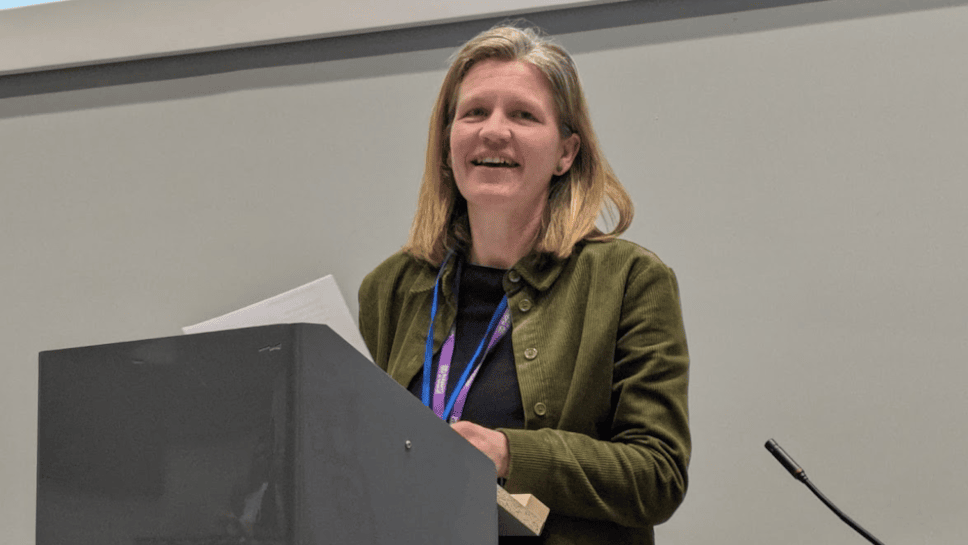
Outdoor learning strengths underlined at University of Cumbria conference
The strengths of outdoor learning took centre stage as a wide range of education professionals gathered at the University of Cumbria.
Students joined teachers and senior leaders at the Lancaster campus on Bowerham Road for an action-packed day of workshops, networking and shared learning.
It was the second Outdoor Learning Conference hosted at the site, following on from the successful opening edition in 2024.
This year’s event, held in the welcome sunshine, was even more relevant to the real-world challenges faced by schools today.
Organiser Jen Ager, a senior lecturer in education at the university, said: “The conference responded to research showing that teacher confidence remains a key barrier to embedding outdoor learning in primary schools, with many teachers working in isolation.
“Our aim was to build a sense of community while sharing practical ideas and good practice.”
The conference at the Lancaster campus was delivered in collaboration with University of Cumbria alumnus Dr Dave Harvey, of Dave Harvey Outdoor Learning, and Little Chatters’ Gina Parker-Mullarkey.
Around 90 professionals attended. One said it was good to spend time with “lovely likeminded people”, with another adding: “The curriculum linked aspects and truthful honesty of the schools who shared was brilliant, hearing the wins and challenges was really useful.”
Many sessions took place outdoors around the campus, reflecting the spirit of the event.
Jen added: “The keynote speakers provided both inspiring examples from across settings of what can be achieved and thoughtful reflections on access and inclusion, reinforcing the need to ensure outdoor learning is meaningful and accessible for all learners.
“We were also delighted to welcome workshop providers from across the northwest, who brought a wealth of specialist expertise and practical insight to the day.
“Events like this are vital in ensuring outdoor learning is visible and understood as a powerful teaching approach, and make sure it moves from the margins to a central, sustainable part of primary education.”